Fridays, January 9th - February 27th 2026, 1:30 PM EST.
Manifesting has become so popular that the Cambridge Dictionary named “manifest” the word of the year for 2024. Celebrities from Ariana Grande to UFC president Dana White are promoting the practice along with thousands of social media influencers. But what is manifesting? Where did it come from? And why is it suddenly everywhere? A quick online search will yield an endless supply of simple answers to these questions. This course provides a framework for a deeper, more thorough, and academically rigorous exploration of manifestation.
The vast majority of the content we see online or in books about manifesting takes the form of a how-to, usually offering to teach readers or viewers the most effective way to manifest their dreams, goals, and desires. The aim of this course is not to teach you how to manifest. (Although, you will learn about the most influential schools of thought within manifesting along the way, and could choose to pursue it as a personal practice if you’d like!) The course also does not seek to prove or validate manifesting nor does it seek to debunk the practice. Instead, our aim is to become more thoughtful and informed consumers and critics of popular culture. The course will encourage you to form your own opinions about the spiritual practice of manifesting, opinions that are rooted in a strong understanding of the scientific, philosophical, historical, and ethical dimensions of the phenomenon.
Together we will:
a) Analyze the wide range of belief systems that underlie manifestation practices including philosophical idealism, scientific materialism, and quantum mysticism.
b) Map the history of the practice of manifesting, which can be traced back to the 19th century.
c) Evaluate common claims to a scientific basis for the practice.
d) Debate ethical concerns that have been raised about manifesting, ranging from concerns about individualism and consumerism to concerns about the potential dangers of magical thinking and “toxic positivity.”
After taking this class, students will be able to:
-
Identify the beliefs and assumptions that underlie popular discourses about manifestation
-
Analyze the scientific and historical accuracy of claims made about manifesting
-
Evaluate ethical concerns related to the practice
Once you check out, you will receive instructions within 24 hours about how to join the online class.
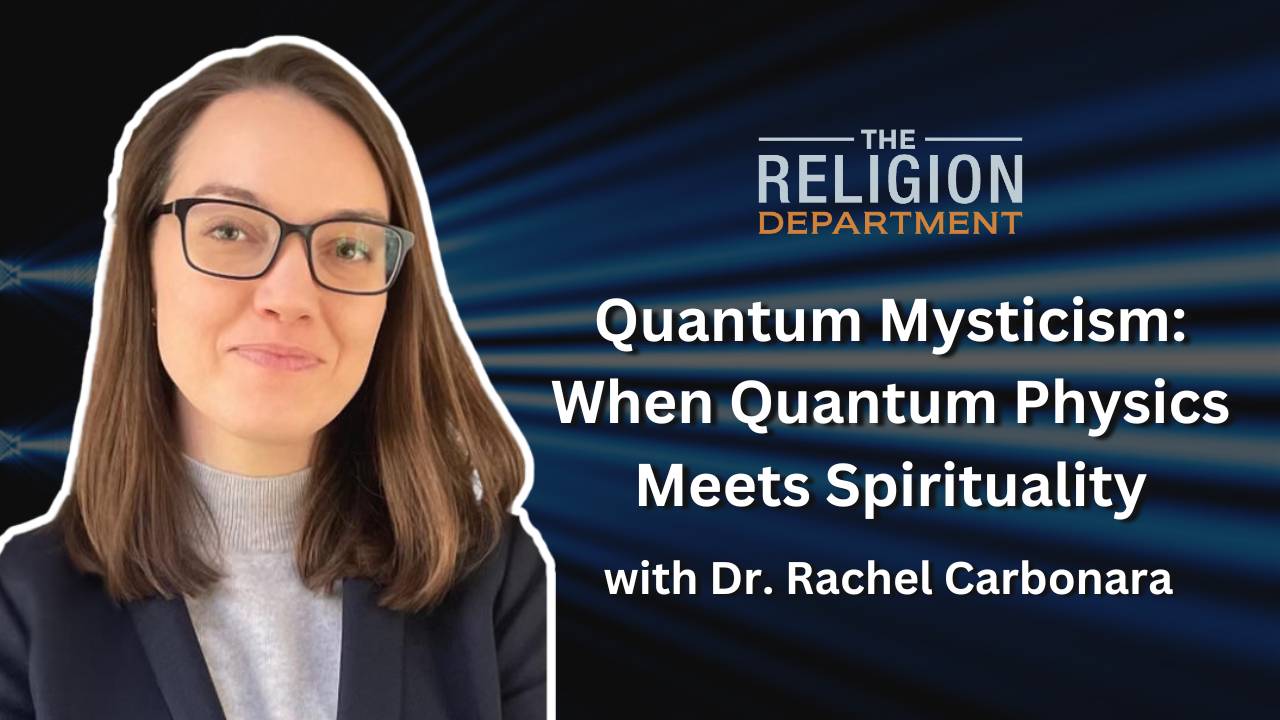
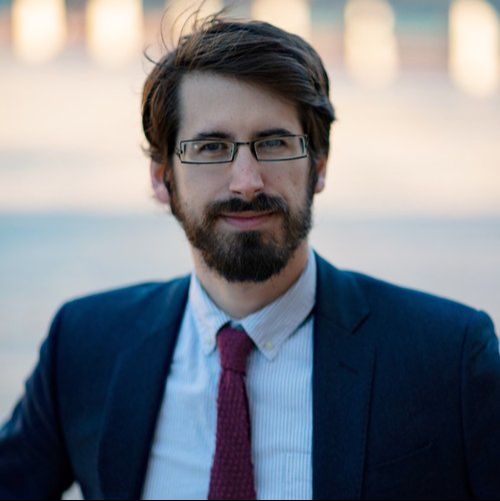
About Dr. Rachel Carbonara:
Dr. Rachel Carbonara is a scholar of contemporary spirituality and a Postdoctoral Research Associate at Princeton University. She earned her PhD in Religious Studies from the University of Chicago, specializing in the Anthropology and Sociology of Religion. Her research explores “spiritual-but-not-religious” beliefs and practices—ranging from energy healing to manifestation—through immersive ethnographic fieldwork with spiritual communities in the United States and in Cuzco, Peru’s Sacred Valley.
Her work has been supported by fellowships and grants from institutions including the U.S. Department of Education, the Tinker Foundation, and the Martin Marty Center for the Public Understanding of Religion. Beyond academia, Dr. Carbonara engages in public scholarship as a writer and producer, contributing to projects with Religion for Breakfast, Princeton, Harvard, and NPR.
About the Religion Department:
From Religion for Breakfast, the Religion Department is an online school where anyone can learn from leading scholars of religion. Click below to hear about upcoming classes and events.
Stay in the Loop