START LEARNING
The Language of
Religion-like a Scholar
Religion shows up everywhere in our lives-from our governments to our social structures to the products we buy. Much of society has been built on its influence. And much of that influence comes from the words we use to describe it.
This class reveals how our vocabulary can construct our entire perception of religion, and provide you with the tools to build a more accurate understanding of it. You'll learn:

How Language can shape a Religious Argument
Constructing faith through the power of discourse.
How Words can be Misapplied
Lost in translation: When meaning drifts from intent.
How Comparisons across traditions can be Inaccurate
The peril of mapping one worldview onto another.
How Words can impact our value judgments regarding beliefs
Framing faith: How labels color our perception.
Learn the concepts scholars use, and stop relying on the wrong words
to understand one of the most complex parts of human life.

THE INTELLECTUAL CHALLENGE
If Religion Feels Confusing
There’s a Reason
If you’ve tried to think seriously about religion, you’ve maybe felt:
- Conversations go in circles
- People make confident claims that don’t quite hold up
- The same words seem to mean completely different things
You might care about science, evidence, and intellectual honesty, but still feel like you don’t have a clear way to make sense of religion.
So you’re left asking:
UNDERSTANDING
Why This Book Matters
When people select words to discuss religion, they'll often resort to the usual suspects.
God Scripture Ritual Priest
But as religion professors Aaron W. Hughes and Russell T. McCutcheon point out in their book, Religion in 50 Words, these terms are hardly neutral and don't always mean what we think they mean.
In this class, Andrew Henry dives deep into how the way we talk about religion shapes what we believe we know about religion.
And if the words used are imprecise, our understanding could be too.
Join our small reading group with Dr. Andrew Henry.
Learn to think like a scholar.
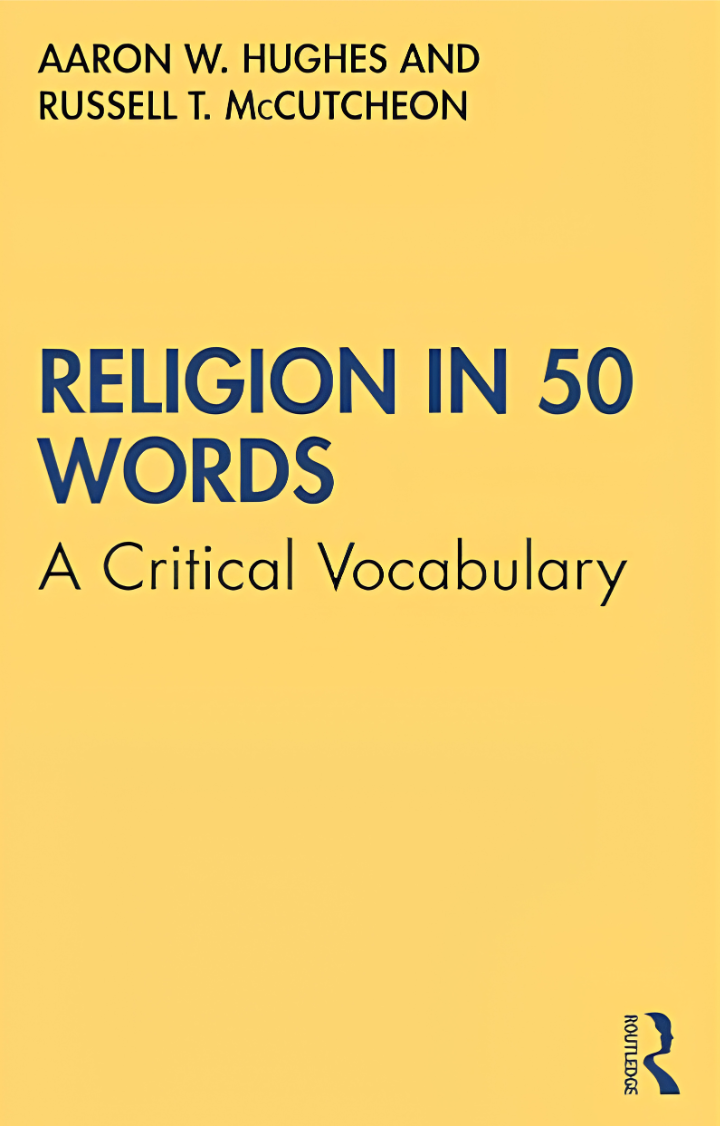
"Scholarly analyses are only as good as the words in our possession…
words function as the basic tools we use to name things…
to bring features of the world into sharper focus."
THE PROBLEM
The Right Tools for the Job
For a long time, people have tried to understand religion using a limited set of language tools passed down from generation to generation - applying the same concepts across cultures, even when they don't fit.
The result?
Oversimplified comparisons Misleading conclusions Distorted understanding
If all you have is a hammer,
everything starts to look like a nail.

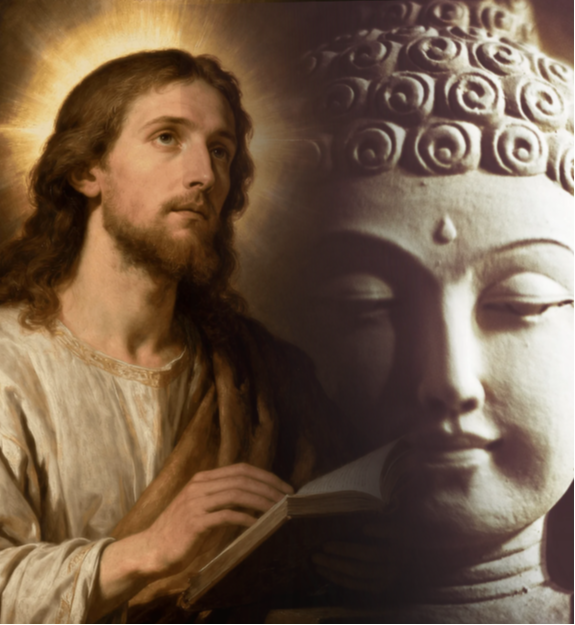
Take the word "God." The same word — radically different meanings across traditions.
Even the word religion is tenuous. When you think of what religion is, do you think of The Big 5? Hinduism, Judaism, Buddhism, Islam, and Christianity? That isn't necessarily right either.
The fact is, the definition of words evolve across cultures and time. And when old tools are used to construct meaning around shifting belief systems, the objects of study becomes distorted.
THE SOLUTION
Enter: The Critical Study
of Religious Terms
So what do we do to solve this issue? We take this class with Andrew Henry, for one. And make a point to look at the tools we use to discuss religion with a critical eye.
We ask:
- Where did these words come from?
- Who decided they matter?
- How have they seen used over time?
- How should we use them now?
This is what scholars mean by a critical study of religious terms.
It isn't about criticizing religion.
But, rather, being self-aware about the words and categories we use-and how they shape our understanding.
Sometimes the tools just need to be sharpened. Sometimes they need to be replaced entirely.
- 52 Lessons, each including:
- ✔ 20-40 Minute Video Lecture
- ✔ Live Tapings
- ✔ Community Discussion
- ✔ Transcripts Coming Soon

Experience Level
No prior background needed

Est. Time per Session
45 minutes of Reading + Watching

Recording Schedule
3 per Month, Rotating
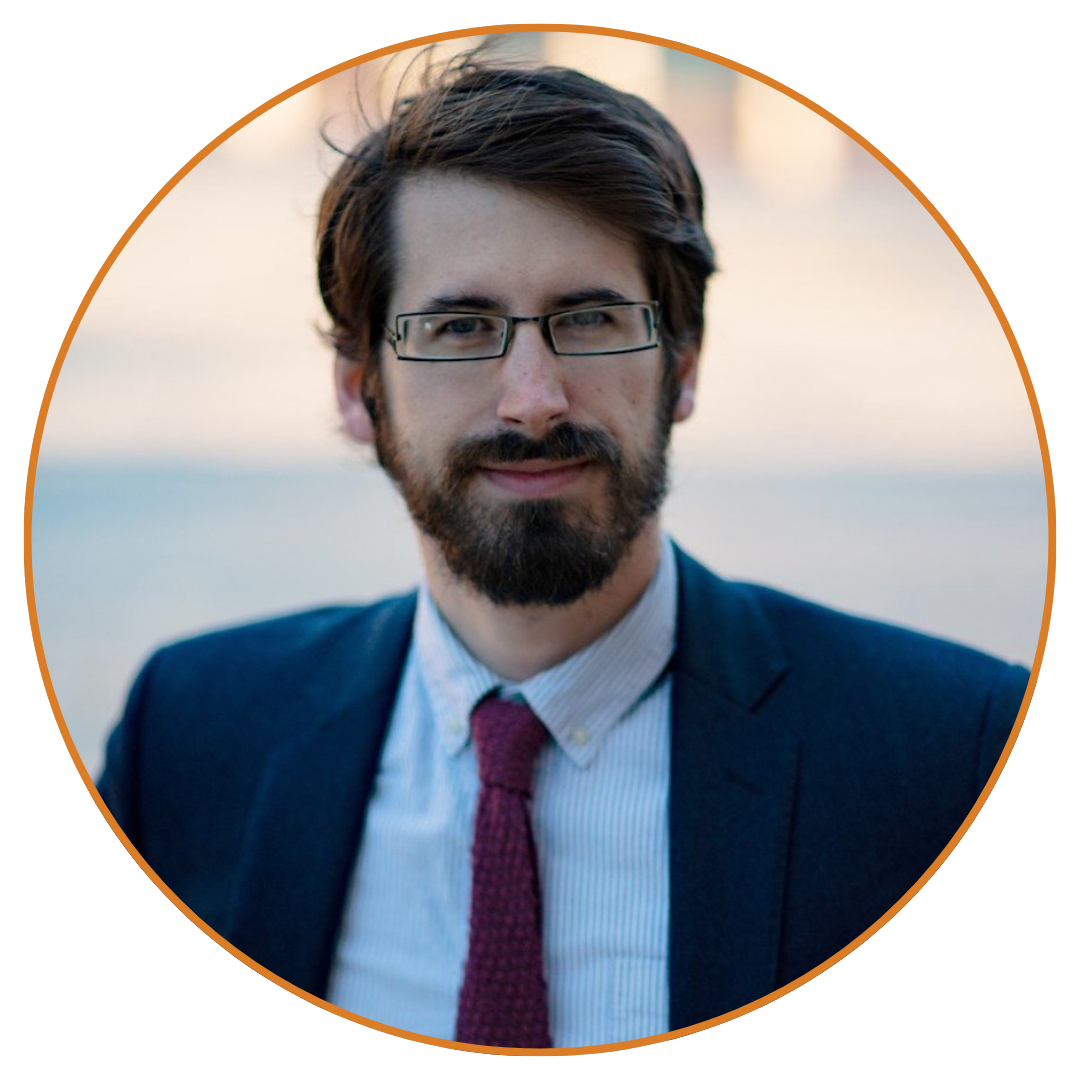
Join a Community of Careful Thinkers
Membership is more than access
The Religion Department is built for people who:
- ask better questions
- care about evidence
- are willing to rethink assumptions
This course builds on that.
When you enroll, you join a community built around curiosity, intellectual humility, and evidence-based thinking.
A place for people who want to ask better questions about religion and get better answers.
Already a Member?
Login HereWhat students are saying:

"Dr. Henry shares complex topics through engaging lectures and fascinating discussions. His Guided Readings are simultaneously rigorous and accessible, and they provide foundational concepts for further study. After every session, I find I come back to the lessons in countless other situations, from my own academic readings to casual conversations with friends. Absolutely top-tier value."
- Irene L.
"The guided reading from Dr. Andrew Henry has been a spectacular experience. The opportunity to both read the text and discuss with a group reinforces the information and makes it very comprehensive. The experience has really sparked my passion for religious studies."
- Ian W.
"It‘s simply fascinating to learn what lies behind each of the individual terms in the Guided Reading.
Dr. Henry explains very clearly and you learn to consider them from different angles thus gaining entirely new perspectives. Questions in the live sessions are answered directly. Thank you very much for that!"
- Heike O.
A Guided reading brought to you by Religion for Breakfast
From Andrew Henry's 1M+ subscriber YouTube channel about the academic study of religion, the Religion Department connects world experts to a global learning community. Our classes are designed to accommodate multiple learning styles and schedules.
Join Our Email List
Stay in the loop about upcoming lectures and department events
Unsubscribe at any time.