Wisconsin v. Yoder:
The Amish, Parents’ Rights, and the Battle Over Religious Freedom
with Jacob Barrett
Start Learning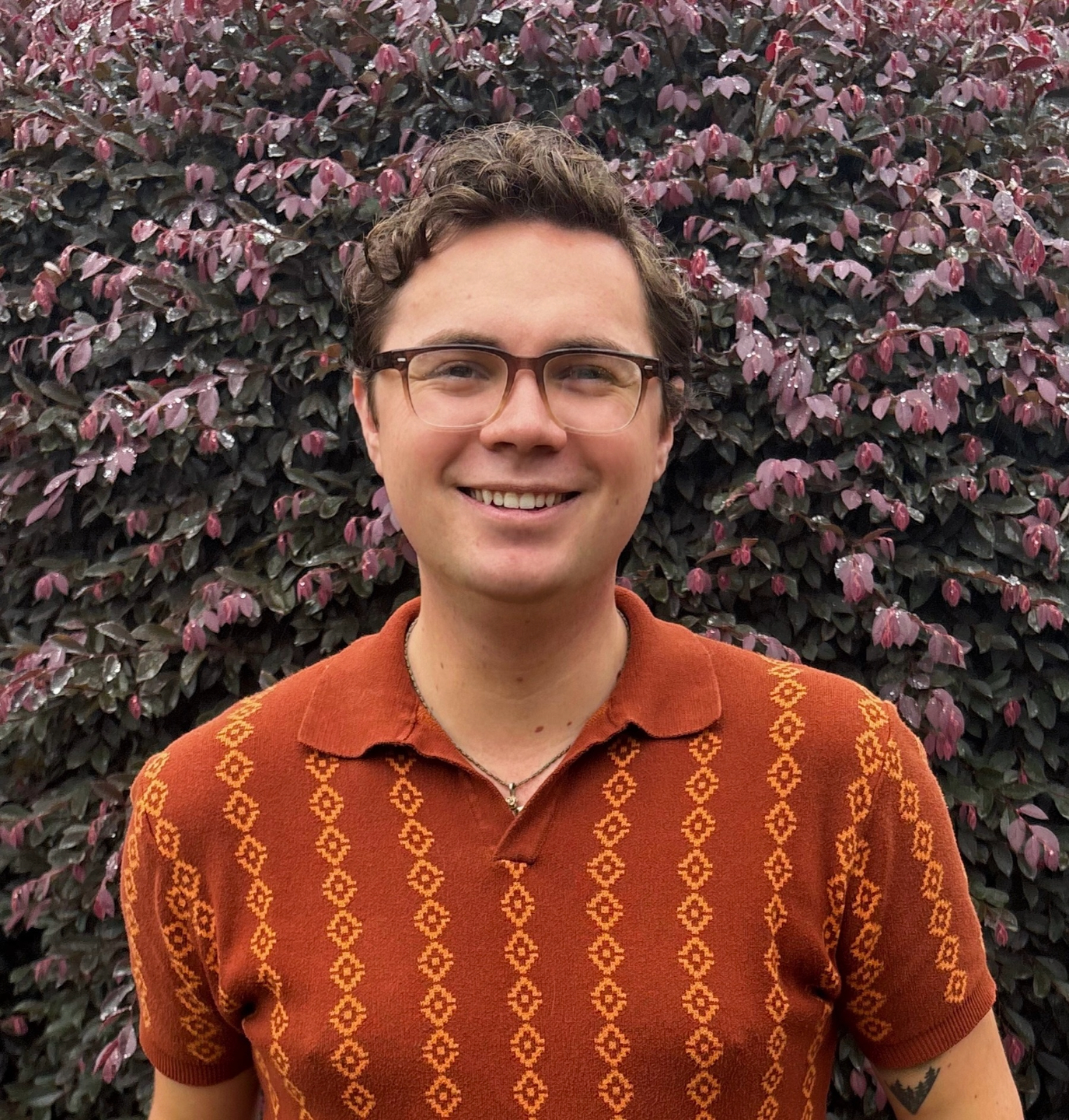
When does the state respect parents’ rights to shape their children’s futures, and when does it intervene?

In 1972, the Supreme Court heard a case that would become a landmark in American religious freedom and parents’ rights law. Jonas Yoder, Wallace Miller, and Adin Yutzy – members of Old Order Amish and Conservative Amish Mennonite communities in Wisconsin – were convicted and fined for refusing to send their fourteen- and fifteen-year-old children to high school beyond eighth grade. The Amish parents argued that continued formal education violated their religious freedom and threatened their children’s salvation, while Wisconsin insisted that its compulsory attendance law served the state’s interest in creating educated citizens.
The case emerged during a pivotal moment in American history: Cold War anxieties about education and national security had intensified compulsory schooling requirements, while simultaneous concerns about government overreach and conformity made religious communities resisting state control sympathetic figures.
The Court ruled 6-1 in favor of the Amish families, but Justice Douglas’s lone dissent raised a troubling question the majority refused to address: what about the children’s own wishes?
This lecture examines the collision of religious freedom, state power, and childhood that produced Wisconsin v. Yoder – and what the decision reveals about whose parents actually have rights over their children’s upbringing.
Why did the Court trust Amish parents to raise “good farmers and good citizens” while dismissing concerns about whether the children themselves wanted to attend high school?
What does it mean that the ruling celebrated one form of alternative education as embodying traditional American values while other religious communities faced prosecution for similar practices?
By exploring both the contexts that gave rise to this case and its implications for contemporary debates about education, book bans, and parental authority, we’ll ask: when does the state respect parents’ rights to shape their children’s futures, and when does it intervene?
A GUEST LECTURE brought to you by Religion for Breakfast
From Andrew Henry's 1M+ subscriber YouTube channel, the Religion Department is an online learning community where leading experts teach about their fields.
Your Instructor
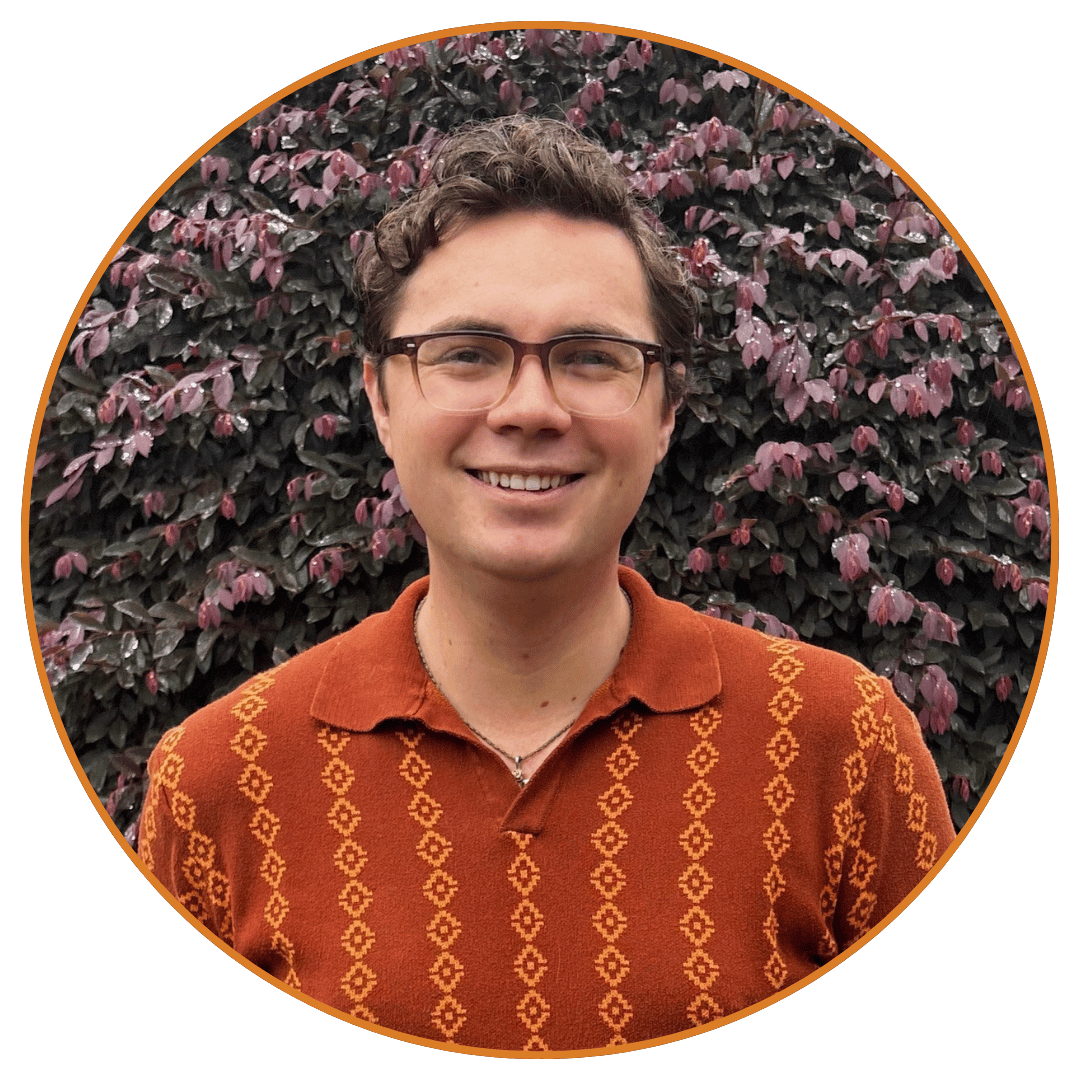
Jacob Barrett
Jacob Barrett is a PhD candidate in the Department of Religious Studies at the University of North Carolina at Chapel Hill. His research explores the intersections of religious freedom, religion and law, American politics, queer theory, and the history of evangelicalism, with particular attention to how religion and sexuality function as intertwined mechanisms of governance. His dissertation project, "Intimately Governed: Sex, Religion, and the First Amendment," uses landmark Supreme Court cases to examine how state interventions into marriage, parenting, and personhood shape the boundaries of citizenship and belonging in American life.
Ways to Watch


already a member?
Your membership gives you access to our full course library, including this event and all available courses. Log in below to access your library and start learning.
GO TO YOUR LIBRARY