What if “hungry ghosts” in Buddhism shaped how we understand death and karma?
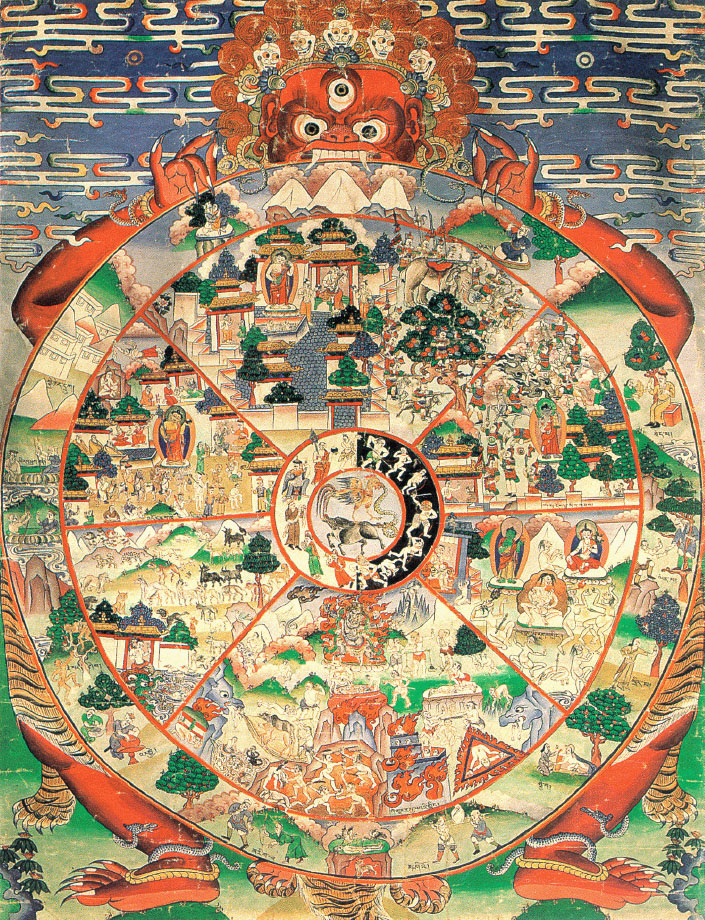
In Buddhist cosmology, pretas make up one of several categories of rebirth. They are best known as "hungry ghosts," pitiful beings with miniscule mouths and bloated stomachs whose state of extreme starvation is the result of the stinginess and immorality they displayed in a former life. Today, Buddhists around the world engage with hungry ghosts in rituals like those conducted during the ghost festival in East Asia, when the ghosts emerge from the underworld to receive offerings of food from their relatives.
But the preta did not always look like a hungry ghost.
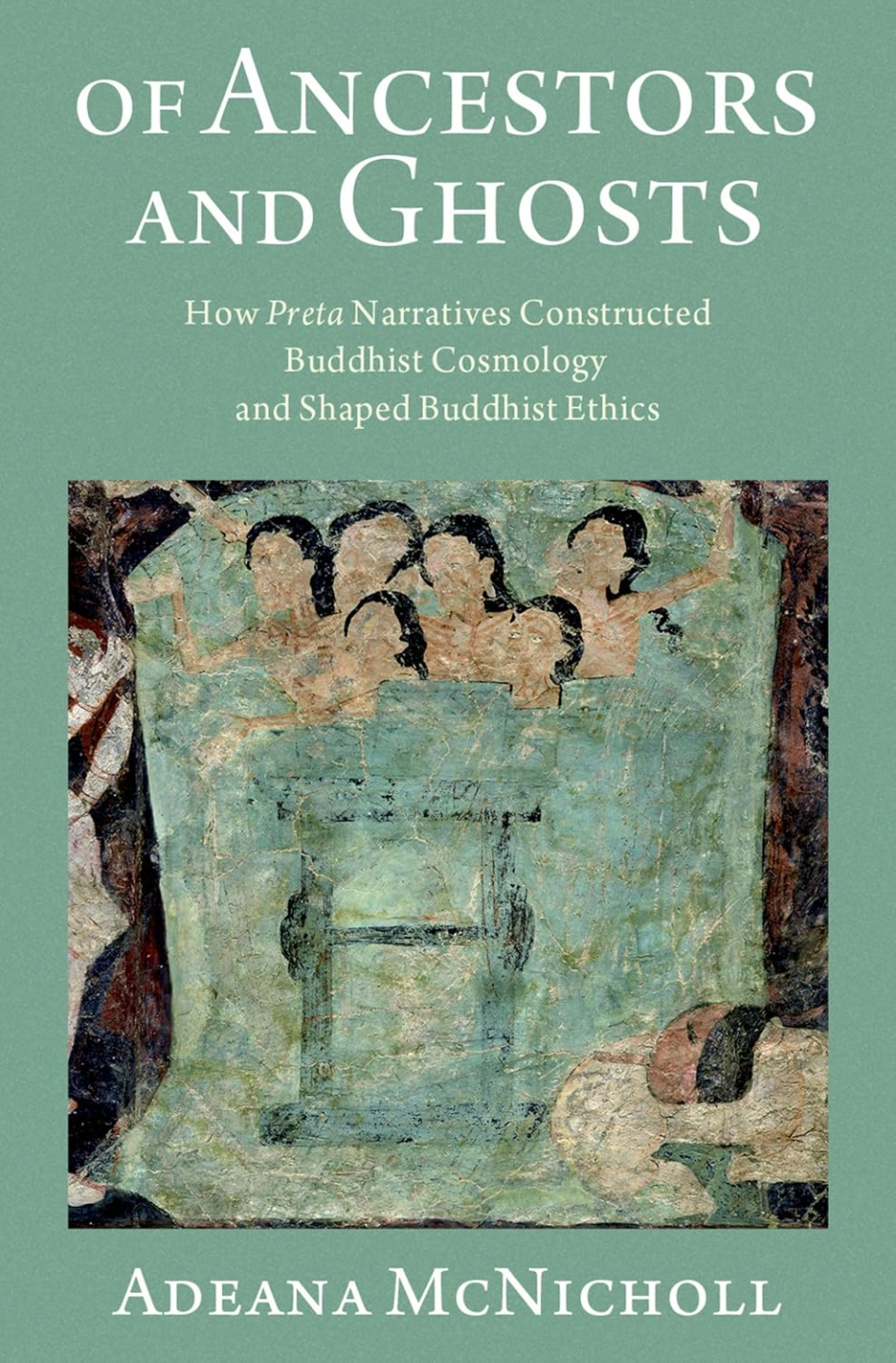
In this lecture, Religious Studies scholar Adeana McNicholl traces the construction of Buddhist cosmology through narrative literature. These stories, which feature humans engaging in various bad deeds and subsequently being reborn as pretas, are far from simple morality tales. Instead, by exploring questions like where the departed go after they die and how the living can best assist the dead in the next world, Buddhist monks used these tales to establish themselves as religious experts concerning the dead and to illustrate the Buddhist understanding of karma. In discussing preta literature, we’ll consider the wider role of popular culture in the construction of religious worldviews.

A GUEST LECTURE brought to you by Religion for Breakfast
From Andrew Henry's 1M+ subscriber YouTube channel, the Religion Department features leading experts who will teach you the nuances.

Ways to Watch




already a member?
Your membership gives you access to our full course library, including this event and all available courses. Log in below to access your library and start learning.
GO TO YOUR LIBRARYNeed Help?
Get in Touch
Helpful Links
Connect



© 2026 The Religion Department